
Cash Offer Real Estate Explained How Homeowners Can Flip for Profit with Kind Real Estate

A cash offer can sound almost too simple: someone wants to buy your home without the long loan approval process, appraisal delays, or weeks of uncertainty. For many sellers, especially in a high-demand coastal market like Santa Cruz, that speed is appealing.
But here’s the part people don’t always talk about: a cash offer doesn’t have to mean walking away from the upside.
If your home needs updates, you may be sitting on more value than you realize. With the right plan, a homeowner can use a cash offer strategy, renovation support, and smart resale timing to “flip” their own home instead of letting an investor capture all the profit.
That’s where Kind Real Estate comes in. The idea is simple: help homeowners explore whether it makes more sense to sell as-is for cash or improve the property first, potentially creating more equity before the final sale.
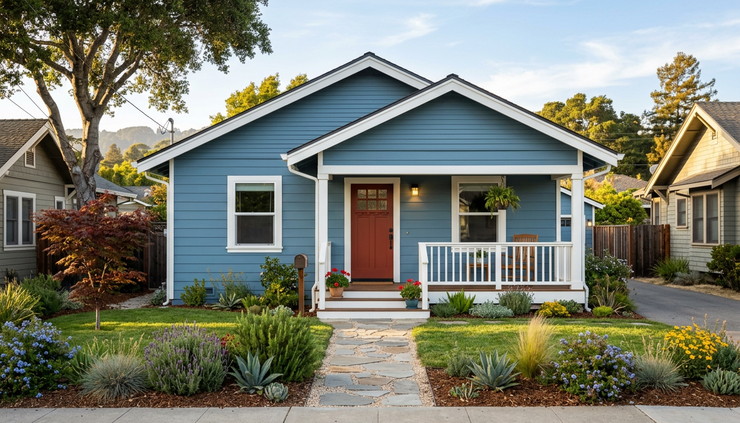
What a cash offer means in real estate
A cash offer means the buyer can purchase the home without relying on a mortgage loan. The money may come from personal funds, an investment account, a company buying homes, or a pool of private capital.
That doesn’t always mean someone shows up with a suitcase full of cash. It means the buyer can prove they have funds available and can close without waiting for a lender to approve the deal.
A typical financed sale depends on several steps:
Buyer loan approval
Appraisal
Underwriting
Possible repair requests
Final lender sign-off
Closing timeline of 30 to 45 days, sometimes longer
A cash offer removes many of those steps. That can make the sale faster and cleaner.
For a homeowner thinking, “I need a Cash offer for my home in santa cruz,” the appeal is clear. Santa Cruz homes can be valuable, but they can also need major updates, especially if they’ve been owned for decades. A cash buyer may be willing to take on repairs, deferred maintenance, or a dated kitchen that traditional buyers might use to negotiate the price down.
Why cash offers are attractive to sellers
Cash offers are popular because they reduce uncertainty. If you’re helping an aging parent sell, planning for retirement, or trying to avoid months of showings, fewer moving parts can feel like a relief.
The main benefits are straightforward.
Speed
Cash deals can often close faster than financed deals because there’s no lender underwriting process. This can be helpful when a seller needs to move, settle an estate, pay for care, or simplify a stressful transition.
Fewer contingencies
A cash buyer may still inspect the home, but many cash offers come with fewer conditions than a traditional offer. That can lower the chance of the deal falling apart late in the process.
As-is options
Cash buyers are often more comfortable with homes that need repairs. That’s especially helpful if the home has old flooring, an outdated bathroom, roof issues, or years of deferred maintenance.
Less hassle
Selling as-is can mean fewer repairs, fewer appointments, and less time managing contractors.
There’s a tradeoff, though. A fast cash offer may be lower than what the home could sell for after improvements. The buyer is taking on risk, renovation costs, holding costs, and resale work. They price that into the offer.
That’s why it’s worth asking a bigger question before you accept: could you keep some of that upside for yourself?
The flip-your-own-home idea
Most people think of house flipping as something investors do. They buy a property, fix it, and sell it for more.
But if you already own the property, you may have a major advantage. You don’t have to compete to buy the home. You already have control of it. You may also have years of equity built up.
That creates an opportunity.
Instead of selling the home as-is at a discount, you can make targeted improvements, raise the market value, and sell after the work is done. In other words, you can flip your own home.
This doesn’t mean turning your house into a luxury remodel. In many cases, the best return comes from practical updates that help buyers feel confident and excited.
Common high-impact projects include:
Fresh interior paint
New flooring
Kitchen cabinet refreshes
Updated lighting
Bathroom improvements
Landscaping cleanup
Roof or pest repairs when needed
Decluttering and staging
The goal isn’t perfection. The goal is to remove buyer objections and make the home easier to fall in love with.
How Kind Real Estate can help with renovation costs
One of the biggest reasons homeowners don’t renovate before selling is simple: cash.
Even if the home has plenty of equity, paying $25,000, $50,000, or more out of pocket can feel risky. Retirees may not want to pull from savings. Adult children helping parents may not want to manage a remodel from out of town. Some families just don’t have the money available.
Kind Real Estate can help by exploring options where renovation costs are fronted, meaning the work can be paid for before the sale and settled when the home closes.
That can change the math in a big way.
Instead of asking, “Can I afford to fix this before selling?” the question becomes, “Will the right improvements create more value than they cost?”
A simple example:
Sell as-is
Renovate before selling
Improved sale price
Added value before costs
Potential added equity after renovation cost
Home sells for $875,000
$60,000 in improvements
Home sells for $1,000,000
$125,000
$65,000 before selling fees and other expenses
This is only an example, not a promise. Every home is different. The numbers depend on condition, location, buyer demand, contractor pricing, and timing.
Still, it shows why fronting renovation costs can be powerful. If improvements raise the final sale price by more than they cost, the seller may walk away with more money than an as-is cash sale would have provided.
Cash offer versus renovate then sell
A cash offer is not automatically better or worse than renovating first. The best choice depends on your priorities.
Cash offer
Renovate then sell
Hybrid approach
Best when speed, certainty, and low stress matter most.
Best when the home has strong upside and the seller can wait for improvements.
Best when a seller wants support, a clear plan, and a way to compare both options.
A good real estate advisor should help you compare the paths side by side. That includes looking at:
The likely as-is value
The likely improved value
Estimated renovation costs
Time needed to complete the work
Market conditions in the neighborhood
Holding costs such as taxes, insurance, and utilities
Selling costs
The seller’s comfort with risk
If you want to sell my home for cash, that may still be the right move. No shame in choosing simple. But if your home has strong potential, it’s worth checking whether a renovation-backed sale could produce a better result.

Why renovated homes often attract stronger offers
Buyers don’t always think like investors. Many buyers want a home that feels move-in ready, even if they say they’re open to doing work.
A dated home can trigger a long list of worries:
How much will repairs cost?
Can I find a contractor?
What if the project goes over budget?
Can I live here during the work?
What else is hidden?
Those worries can turn into lower offers.
A refreshed home gives buyers fewer reasons to hesitate. It also photographs better, shows better, and can attract more competition. In markets where buyers are paying close attention to monthly payments, many prefer to put their cash toward the down payment rather than immediate repairs.
For retirees or families selling a long-held home, this matters. A property that looks tired may still be structurally sound and well located. A few smart updates can help buyers see its value more clearly.
What home flipping data tells us
House flipping is not risk-free, but the reason investors keep doing it is clear: when the numbers work, profits can be meaningful.
ATTOM, a major property data company that tracks home flipping activity across the U.S., has reported in recent years that flipped homes often produce median gross profits in the tens of thousands of dollars nationally. In several recent reports, that figure has commonly been around the $60,000 to $70,000 range before expenses, depending on the year and market.
That gross profit number does not include every cost. Flippers still have to pay for repairs, financing, taxes, insurance, utilities, buying costs, and selling costs. Net profit can be much lower.
But the data shows a useful point: buyers routinely pay more for homes after smart improvements.
Here’s a simple illustrative scenario:
A homeowner owns an older Santa Cruz property worth about $900,000 as-is. The home has good bones but needs paint, flooring, light fixtures, landscaping, and kitchen updates.
Kind Real Estate helps estimate that $75,000 in improvements could support a resale near $1,050,000, based on comparable updated homes nearby.
If the final sale lands near that target, the renovation creates about $150,000 in added value before selling costs. After paying back the $75,000 renovation budget, the homeowner may have created roughly $75,000 in additional equity before commissions, closing costs, and carrying expenses.
Again, this is an example, not a guaranteed result. The real value comes from doing the math before making a decision.
The kinds of homes that may be good candidates
Not every home should be renovated before selling. Some properties are better sold as-is, especially if the repairs are too large, the timeline is too tight, or the seller doesn’t want any risk.
A flip-your-own-home plan may make sense when:
The home is in a desirable location
The layout works for today’s buyers
The property has deferred cosmetic updates
Comparable renovated homes sell for much more
Repairs are manageable and can be priced clearly
The seller has enough time to let the work happen
The expected added value is higher than the improvement cost
It may not make sense when:
Structural issues are extensive
The home needs major foundation, drainage, or hillside work
The market is slowing sharply
The seller needs money immediately
The renovation budget is hard to control
Family members disagree about the plan
This is where guidance matters. The goal is not to renovate everything. The goal is to choose the work that helps the home sell for more, without wasting money.
Why this matters for aging parents and retirees
Selling a family home can be emotional. It may be the place where kids grew up, holidays happened, and decades of memories still sit in closets and photo albums.
That emotional weight can make decisions harder.
Adult children often want to help but don’t know where to start. Retirees may want to simplify, but the idea of repairs, showings, and negotiations can feel draining.
A cash offer can give a clean exit. A renovation-supported sale can offer a chance to keep more of the value. The right answer depends on the family’s needs.
For some, peace of mind is worth more than squeezing out every dollar. For others, an extra $40,000, $75,000, or $100,000 could help pay for retirement, assisted living, debt, medical costs, or a smaller home closer to family.
That’s why it helps to compare both paths instead of guessing.
How to think about the numbers before deciding
Before accepting any offer or starting any renovation, ask for a clear estimate of the full picture.
You’ll want to know:
What is the likely as-is sale price?
This gives you the baseline.
What is the likely renovated sale price?
This should be based on nearby comparable sales, not wishful thinking.
What improvements are needed?
Focus on work that buyers will notice and value.
What will the repairs cost?
Include labor, materials, permits when needed, and a cushion for surprises.
How long will it take?
Time matters. A longer project means more carrying costs and more market risk.
What are the selling costs?
Commissions, closing costs, staging, inspections, and other expenses affect the final number.
What happens if the home sells for less than expected?
A smart plan includes a conservative scenario.
This is financial decision-making, so get everything in writing. This article is for general information only and isn’t financial, tax, or legal advice.
The real benefit is choice
A cash offer gives you speed. A renovation-backed sale gives you a shot at more equity. Kind Real Estate can help homeowners understand both, then choose the path that fits their life.
That choice matters.
If your home needs work, you don’t have to assume the only options are to spend your own savings or sell at a steep discount. There may be a middle path where renovation costs are handled upfront, the home is prepared for the market, and the added value comes back to you at closing.
That can turn a stressful sale into a real financial opportunity.
Before you accept the first cash offer, pause and run the numbers. If the as-is offer is strong and the timing works, great. If the home has clear upside, it may be worth treating it like the asset it is.
A well-planned update could help you walk away with more equity, more confidence, and a stronger finish to the sale.
Interested in learning more? Call Megan Kilmer 831-888-7530


Comments